
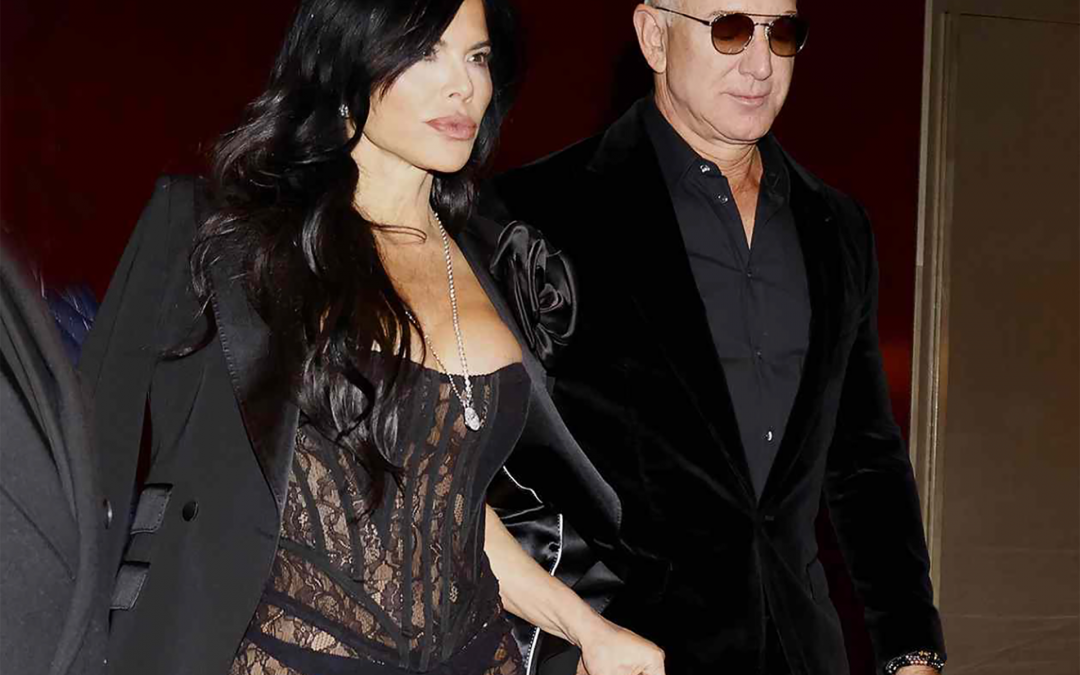
Luxury didn’t collapse. It didn’t decay. It didn’t betray itself.
Luxury simply followed the money and then quietly locked the door behind it.
For years, fashion told itself this was progress. Higher prices meant higher meaning. Exclusivity meant excellence. If fewer people could afford something, it must be better. That logic worked for a while. Until it didn’t. Somewhere along the way, fashion ceased to be aspirational and became procedural.
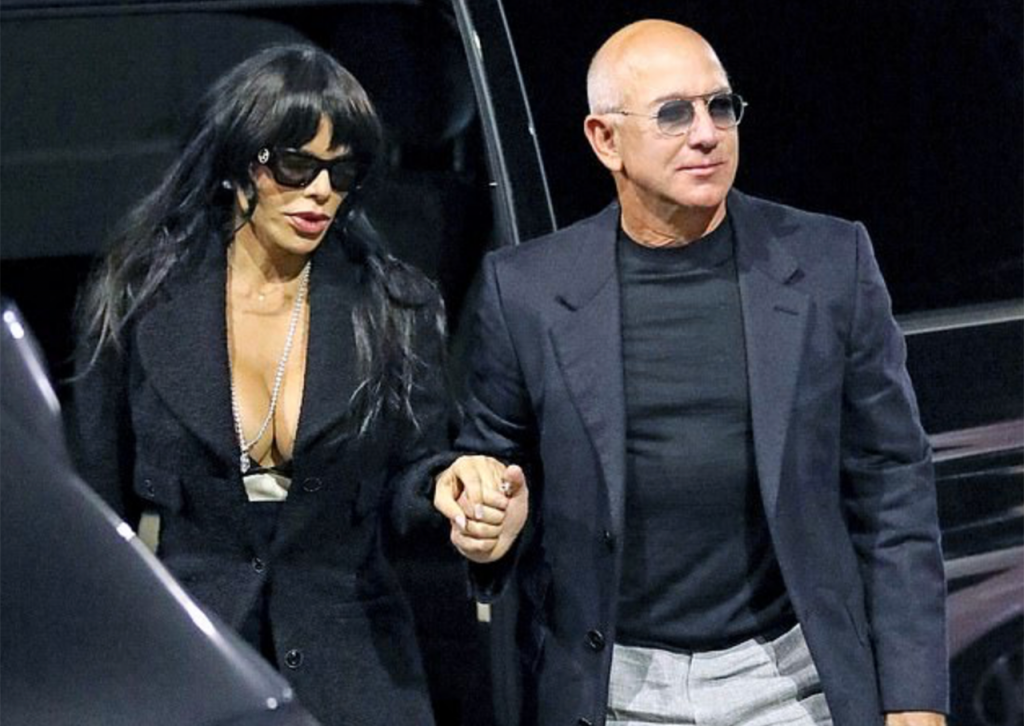
Fashion as a Gated Community. Fashion today no longer invites curiosity. It asks for credentials.
Shows are not attended; they are earned. Sales associates no longer sell so much as assess. If you aren’t expected to spend five figures before lunch, you may find yourself waiting outside, staring through glass at clothes you were never meant to touch. The line is not a mistake. It is the business model functioning correctly.
Inside are clients, stylists, editors, photographers—people whose presence is justified by money, proximity, or usefulness. Outside is everyone else. Interest without leverage. Desire without purchasing power. Fashion didn’t become exclusive again. It became selective.
Bodies, Faces, and the Aesthetic of Maintenance
Watch any glossy portrayal of billionaire leisure—Palm Beach, Aspen, private islands—and a pattern emerges quickly. Bodies and faces engineered by plastic surgeons. Maintained by personal trainers. Preserved by money. Wrapped in clothes that scream price but whisper nothing.
This isn’t style. It’s maintenance.
Fashion once flirted with danger—social, sexual, cultural. Now it optimizes for insulation. The clothes are no longer meant to express anything. They are meant to reassure. To signal survival at the top, not imagination. Money doesn’t free creativity. It tranquilizes it.
Designing Youth, Selling to Power
Designers still sketch youth, subculture, and rebellion. But the buyers are older, richer, safer—and largely uninterested in any of it. What reaches the runway is rebellion with guardrails.Sex without risk. Beauty without urgency. When clothes imagined for bodies that move, dance, protest, and desire are sold almost exclusively to people whose primary physical activity is exiting black SUVs, something breaks. What breaks is fashion itself. The result is a fashion that looks expensive, behaves cautiously, and feels utterly bored with its own existence.
The Met Gala as Corporate Afterparty
Then there is the Met Gala—fashion’s annual ritual of self-importance—now generously underwritten by billionaires and framed as philanthropy. Museums need patrons, we’re told. It’s better than rockets, we’re reminded. Perhaps. But that misses the point.
When billionaires fund fashion’s most symbolic night, they don’t just pay for tables and flowers. They set the temperature. They flatten the risk. They turn culture into a polite thank-you speech. This isn’t patronage. It’s soft power in couture.
Vogue, Validation, and the Laundering of Power
A glossy cover is never neutral documentation. It is legitimation. Turning politics into aesthetics is how power becomes survivable. How policies soften into “a look.” How history gets upholstered. Reporting what someone wore is observation. Staging them as glamorous is an endorsement. Fashion has always been good at this trick. What’s new is how openly it’s done—and how little anyone pretends otherwise.
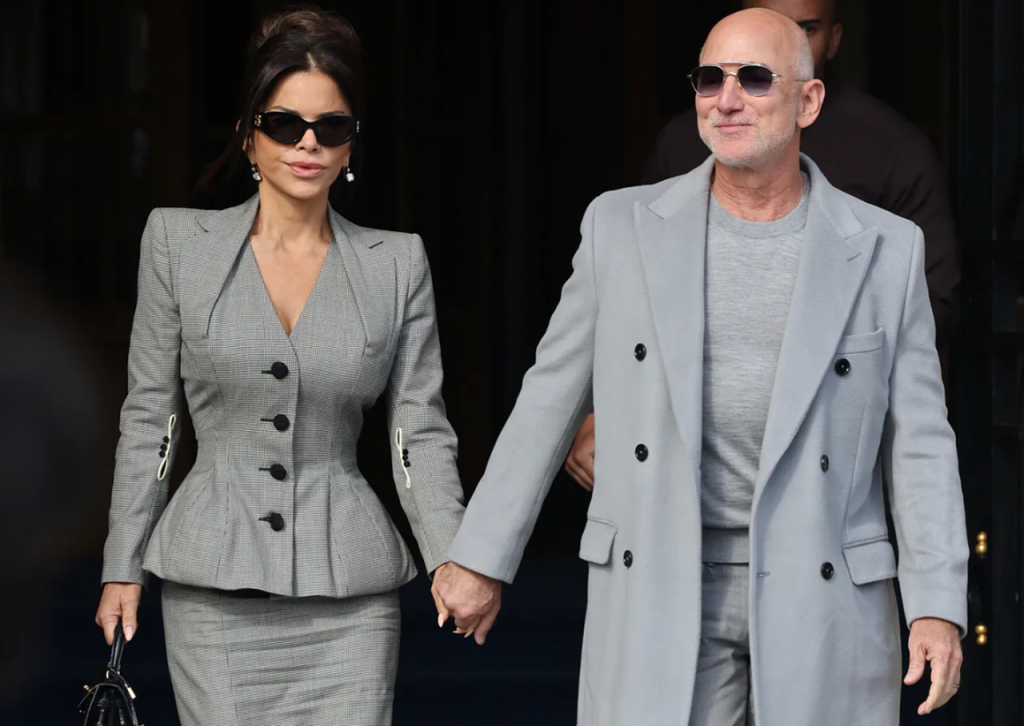
Where the Middle Used to Be
There used to be a middle. A space between fantasy and fortune. A place where ambition could save up and buy one meaningful thing. A coat, a bag, a marker that life had briefly cooperated.
That middle is gone. Now there is ultra-luxury at one end and algorithmic cheapness at the other. The message is clear: the rich get legacy objects. Everyone else gets simulations. Why should anyone aspire to dress like people the public increasingly distrusts?
The Line Outside
Fashion still believes the runway is inside. It isn’t.
The real runway is the line outside—long, cold, unpaid.
That’s where curiosity survives without permission.
That’s where taste exists without validation.
That’s where culture waits—not to be invited in, but to outlast the system that locked it out.
Money killed fashion. Exclusion became the accessory.
And the line outside?
That’s the real runway now.